
What is Diastasis Recti?
Diastasis recti is a common condition after pregnancy. It happens when the muscles in the middle of your belly separate. This gap can make your stomach look or feel different. Many women notice a bulge or softness in their belly. Although it is not dangerous, it can cause discomfort. Early care and diastasis recti physiotherapy can help you recover faster. According to the World Health Organization, this condition affects many new mothers.
Common Symptoms and Signs
Recognizing diastasis recti is important. While some signs are easy to spot, others may be subtle. For example, you might notice:
Sometimes, you may also have trouble lifting objects or doing daily tasks. However, not everyone will have all these symptoms.
Causes and Risk Factors
Pregnancy is the main cause of diastasis recti. As your baby grows, your belly stretches. This puts pressure on the muscles in the front of your abdomen. Over time, the tissue between these muscles can thin and separate. In addition, certain factors increase your risk, such as:
Although anyone can get diastasis recti, it is most common in women after childbirth.
Diagnosis and When to Seek Help
Often, you can check for diastasis recti at home. However, a healthcare provider can confirm the diagnosis. They may ask you to lie down and lift your head slightly. If they feel a gap or bulge, you may have diastasis recti. In some cases, your doctor may use an ultrasound for a clearer view. If you notice pain, weakness, or a growing bulge, seek help. Early diagnosis can lead to better recovery.
Physiotherapy Approaches and Treatment Options
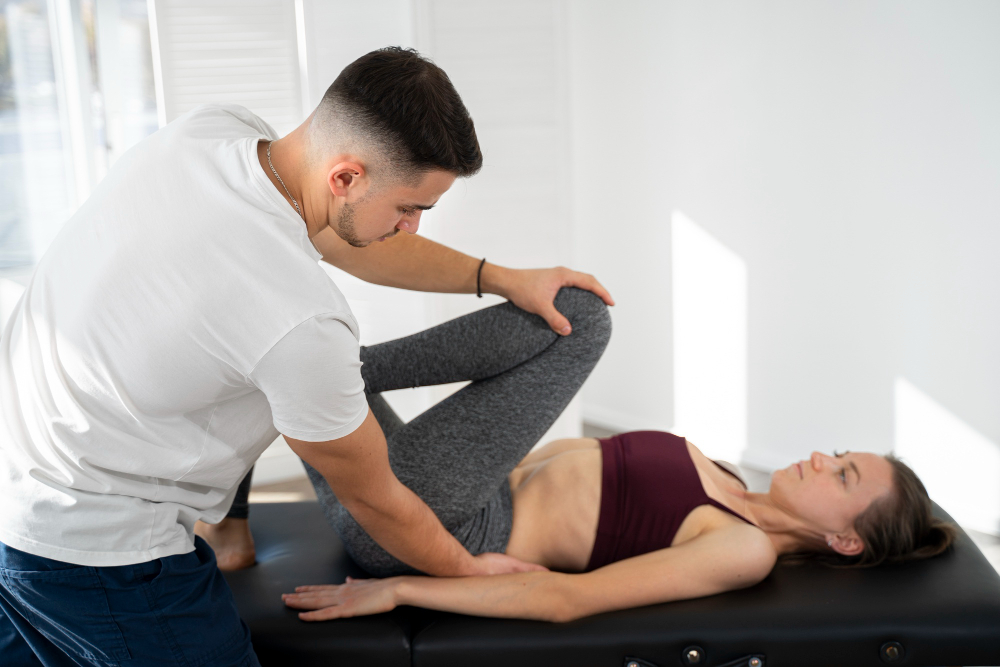
Physiotherapy is a safe and effective way to treat diastasis recti. A trained physiotherapist will guide you through gentle exercises. These exercises help strengthen your core and close the gap. For example, they may teach you how to breathe deeply and engage your belly muscles. In addition, they will show you how to move safely during daily tasks. Diastasis recti physiotherapy focuses on:
Sometimes, you may need special support belts or taping. However, surgery is rarely needed. Most women improve with regular physiotherapy and patience.
Safe Exercises and Lifestyle Tips
Safe exercises for diastasis recti are gentle and focus on your core. Always check with your physiotherapist before starting any new routine. Some helpful tips include:
Moreover, keep good posture and avoid straining your stomach. With time, these habits can help your muscles heal.
Prevention and Recovery Guidance
Although you cannot always prevent diastasis recti, you can lower your risk. For example, start strengthening your core before pregnancy if possible. During pregnancy, avoid heavy lifting and practice safe movement. After childbirth, begin gentle exercises as soon as your doctor allows. In addition, wear supportive clothing if needed. Recovery takes time, but steady progress is possible with the right care.
When to Consult a Specialist
Sometimes, diastasis recti does not improve with home care. If you notice pain, a growing bulge, or trouble doing daily tasks, see a specialist. In some cities, you can find diastasis recti physiotherapy clinics for extra support. Early help from a physiotherapist or doctor can speed up your recovery and prevent problems.
In summary, diastasis recti is common after pregnancy. However, with proper physiotherapy and safe exercises, most women recover well. Consult a physiotherapist or healthcare provider for personalized guidance on diastasis recti recovery.