What is Dry Needling?
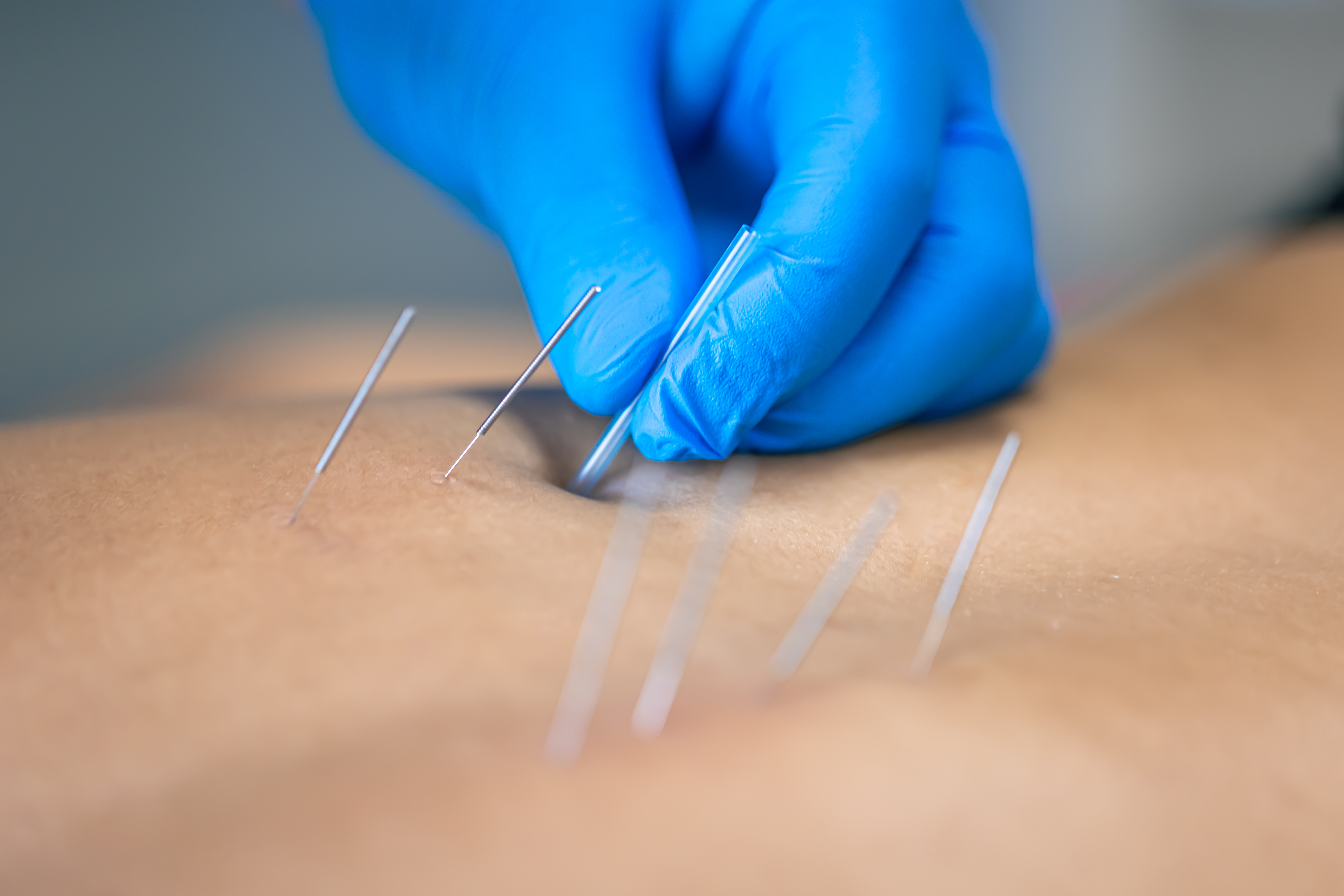
Dry needling is a treatment used to help relieve pain and muscle tightness. In this method, a trained professional inserts thin needles into specific points in your muscles. These points are often called trigger points. Many people ask about dry needling benefits and how dry needling works. This technique is different from acupuncture, though both use similar needles. Dry needling focuses on easing muscle pain and improving movement. It is often used by physical therapists and other trained health professionals.
How Does Dry Needling Work?
Dry needling targets tight or knotted muscles. When a needle is placed into a trigger point, it can help relax the muscle. As a result, blood flow improves, and pain may decrease. Some experts believe that dry needling helps reset the way nerves and muscles talk to each other. For example, it may help reduce pain signals sent to your brain. Although research is ongoing, many patients report feeling better after treatment. According to the CDC and peer-reviewed studies, dry needling can be a safe and effective option for some types of pain.
Common Conditions Treated with Dry Needling
Dry needling is used for many muscle and joint problems. For instance, it can help with:
However, not all pain types respond the same way. Therefore, your therapist will decide if dry needling is right for you.
Benefits of Dry Needling for Pain Relief
Many patients notice several benefits after dry needling. Some of these include:
In addition, dry needling is a drug-free option. This means it may be helpful for people who want to avoid medication. While results can vary, many people feel relief after just a few sessions.
What to Expect During a Dry Needling Session
Before your session, your therapist will explain the process. First, you will be asked about your pain and health history. Next, the therapist will find the trigger points in your muscles. Then, thin needles are gently inserted into these spots. You may feel a slight pinch or twitch, but most people find it tolerable. Sessions usually last 15 to 30 minutes. Afterward, you might feel sore for a day or two. However, this soreness often fades quickly. Many patients notice improved movement soon after treatment.
Safety, Risks, and Side Effects
Dry needling is generally safe when performed by a trained professional. Still, as with any treatment, there are some risks. Common side effects include:
Serious problems are rare. However, you should always tell your therapist if you have any health concerns. The World Health Organization (WHO) recommends using only single-use, sterile needles to reduce risks.
Who Should Avoid Dry Needling?
Although dry needling is safe for many, some people should avoid it. For example, you may not be a good candidate if you:
Always talk to your doctor or therapist before starting dry needling. They can help decide if it is safe for you.
Tips for Choosing a Qualified Practitioner
Choosing the right professional is important for your safety. Here are some tips:
In addition, you can ask your doctor for a referral to a trusted practitioner in your area.
Frequently Asked Questions
Conclusion
Dry needling for pain relief can be a helpful option for many people. It may reduce muscle pain, improve movement, and speed up recovery. However, it is important to choose a qualified practitioner and discuss your health history first. Consult a qualified physiotherapist to find out if dry needling is right for your pain relief needs.