
What Are Pelvic Floor Issues in Women?
Many women face pelvic floor issues at some point in life. The pelvic floor is a group of muscles at the bottom of the pelvis. These muscles support the bladder, uterus, and bowel. When these muscles become weak or too tight, problems can happen. For example, you may notice trouble with bladder control or pain in the pelvic area. Physiotherapy for pelvic floor issues in women can help manage these problems and improve daily life.
Common Symptoms and Causes
Pelvic floor problems can show up in many ways. Some common symptoms include:
There are several causes of pelvic floor dysfunction. For instance, pregnancy and childbirth can stretch or weaken these muscles. Aging, being overweight, or heavy lifting can also play a role. Sometimes, surgery or long-term coughing may lead to issues as well.
How Physiotherapy Helps: Key Techniques and Approaches
Physiotherapy for pelvic floor dysfunction uses gentle, targeted exercises. These help strengthen or relax the pelvic muscles. A trained physiotherapist will teach you how to find and use these muscles the right way. Some common techniques include:
With regular practice, these methods can make a big difference. According to the World Health Organization and other experts, physiotherapy is a safe and effective way to manage pelvic floor issues.
Benefits of Physiotherapy for Pelvic Floor Health
There are many benefits to choosing physiotherapy for women’s pelvic health. For example, you may notice:
In addition, physiotherapy can help prevent future problems. It gives you the tools to care for your body in the long run.
What to Expect During Physiotherapy Sessions
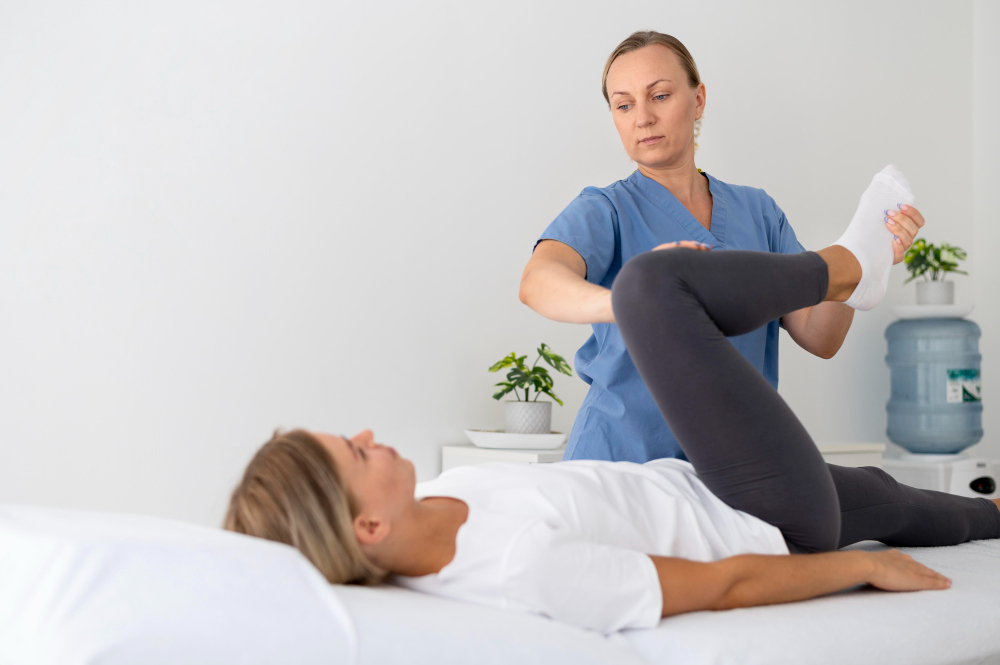
At your first visit, the physiotherapist will ask about your symptoms and health history. Next, they may do a gentle exam to check your pelvic muscles. After that, you will learn simple exercises and tips to use at home. Each session is private and respectful. Over time, your plan may change as you get stronger or feel better. Most women see progress within a few weeks to months.
Lifestyle Tips and Prevention Strategies
Along with physiotherapy, healthy habits can support your pelvic floor. Here are some helpful tips:
By following these steps, you can lower your risk of pelvic floor problems.
When to Seek Professional Help
If you notice symptoms like leaking urine, pain, or pressure in your pelvic area, do not wait. Early help can prevent problems from getting worse. Even if you feel shy, remember that many women have these issues. A qualified physiotherapist can guide you with care and respect.
For the best results, consult a qualified physiotherapist for personalized pelvic floor care.