
Introduction
ACL surgery helps many athletes get back to their favorite sports. The ACL, or anterior cruciate ligament, is a strong band in your knee. When it tears, surgery often repairs it. However, the journey does not end there. Post-ACL surgery rehab is just as important as the operation itself. In fact, the first 4 weeks after ACL reconstruction can shape your entire recovery. If you want to return to sports after ACL surgery, early rehab is key.
Importance of the First 4 Weeks
During the first month, your knee is healing and adjusting. Early rehabilitation helps your body recover safely. For example, it reduces pain and swelling. It also helps you regain movement and strength. Moreover, studies show that good rehab in this period lowers the risk of future injury. If you skip or delay rehab, your knee may not heal well. As a result, your return to sports after ACL surgery could be delayed or unsafe. According to the American Academy of Orthopaedic Surgeons, early rehab is vital for long-term success.
Key Goals in Weeks 1–4
In the first 4 weeks after ACL reconstruction, your rehab has clear goals. These include:
Each goal helps prepare your knee for harder exercises later. Therefore, it is important to follow your rehab plan closely.
Typical Rehab Activities
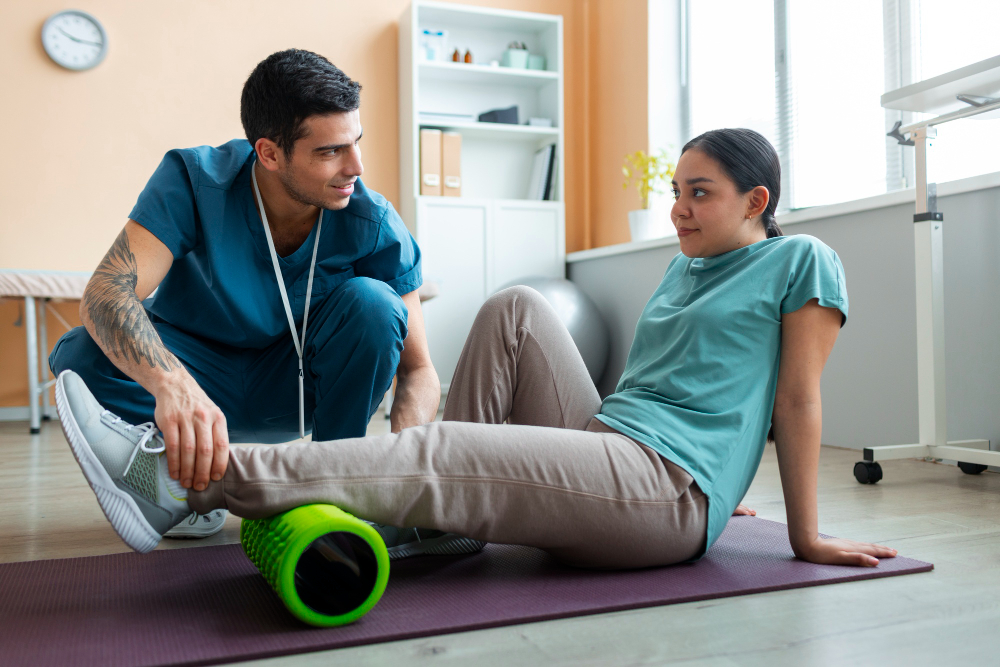
Physiotherapists guide you through safe exercises in the first month. Common activities include:
In addition, your therapist may teach you how to walk with crutches. They will also check your progress each week. Meeting small milestones, like bending your knee to 90 degrees, is a good sign.
Risks of Inadequate Early Rehab
If you do not follow your rehab plan, problems can occur. For instance, your knee may become stiff or weak. Swelling and pain might last longer. You could also develop scar tissue, which limits movement. In some cases, poor rehab increases the risk of re-injury. According to the CDC, early and proper rehab lowers these risks and helps you return to sports safely.
Tips for Success in the First Month
To get the best results from post-ACL surgery rehab, try these tips:
Remember, patience and consistency are important. Even small steps help you move forward.
When to Seek Help
Sometimes, problems can arise after ACL surgery. You should contact your doctor or physiotherapist if you notice:
Early help can prevent bigger problems and keep your recovery on track.
Conclusion
In summary, the first 4 weeks after ACL reconstruction are crucial for your recovery. Early post-ACL surgery rehab helps control pain, reduce swelling, and restore movement. It also prepares your knee for a safe return to sports. By following your rehab plan and seeking help when needed, you give yourself the best chance for success. Consult a physiotherapist or orthopedic specialist for personalized rehabilitation guidance after ACL surgery.